
Table of Contents
STEM graduates enter a world of remarkable opportunity, but technical knowledge alone is rarely enough to stand out. As technology reshapes industries and competition for top roles intensifies, employers seek a combination of technical depth, professional skills, and real-world experience that signals readiness for fast-moving, collaborative environments. Understanding what companies value most helps students prepare for successful careers and position themselves as exceptional candidates.
The demand for STEM professionals continues to grow across virtually every sector, yet many hiring managers report difficulty finding graduates who meet all their expectations. This gap between academic preparation and workplace needs creates both challenges and opportunities for candidates who understand how to bridge it. This guide explores exactly what employers look for in STEM graduates, why these qualities matter, and how students can develop them before entering the workforce.
The Modern STEM Employment Landscape

Before diving into specific skills, it's important to understand the broader context of STEM employment. According to the U.S. Bureau of Labor Statistics, STEM occupations are projected to grow significantly faster than the average for all occupations in the coming decade. This growth reflects increasing technology integration, the rise of new fields like data science and cybersecurity, and ongoing digital transformation across industries.
The Skills Gap Challenge
Despite strong demand, many employers struggle to find qualified candidates. This apparent paradox stems from a mismatch between what students learn in academic settings and what employers need in practical work environments. Academic programs focus on foundational knowledge, but rapid technological change means specific tools taught in universities may already be outdated by graduation. More importantly, skills like cross-functional collaboration, business communication, and adaptability often receive less emphasis in technical curricula.
Different Employer Types, Different Priorities
Not all STEM employers look for exactly the same qualities. Large corporations often prioritize candidates who work effectively within established systems and collaborate across large teams. Startups seek graduates who can wear multiple hats and work with ambiguity. Research institutions emphasize analytical rigor and written communication for publications. Government agencies may prioritize mission alignment and ethical reasoning alongside technical capabilities.
Understanding these variations helps graduates target their job search effectively.
Strong Technical Foundations: The Essential Starting Point

While technical skills alone aren’t sufficient, they remain absolutely essential. Employers expect STEM graduates to have a solid grasp of core principles in their field, providing the foundation upon which other capabilities build.
Depth in Core Competencies
Mastery of fundamental concepts demonstrates that you can handle the intellectual demands of professional work. Whether it’s programming paradigms for computer scientists, thermodynamics for engineers, or experimental design for researchers, these core competencies provide the framework for professional practice. Employers can teach specific tools and proprietary methods, but they expect graduates to arrive with strong fundamentals. A software engineer who deeply understands data structures can learn a new programming language quickly; a biologist who understands cellular processes can apply that knowledge across various research contexts.
Practical Application of Theory
Beyond understanding concepts in the abstract, employers need graduates who can apply theoretical knowledge to solve practical problems. This means taking equations, theories, and principles from textbooks and using them to address real challenges with all their messy constraints and ambiguities. Applied thinking develops through lab work, projects, research experiences, and internships where students must make theory work in practice.
Technical Versatility
While deep expertise in one area has value, employers often prefer candidates with breadth across their discipline. A mechanical engineer who understands both design and manufacturing processes becomes more valuable. A data scientist familiar with multiple programming languages offers greater flexibility. This versatility makes graduates more adaptable to different projects and better able to collaborate with specialists in adjacent areas.
Computational and Data Skills
Regardless of specific STEM field, computational thinking and data literacy have become nearly universal requirements. Even traditionally less computational fields now involve substantial data analysis, simulation, or programming. Employers increasingly expect all STEM graduates to have at least basic programming capability, statistical understanding, and comfort working with data. Advanced capabilities in these areas enhance employability across specializations.
Problem-Solving and Critical Thinking

Technical knowledge provides the foundation, but problem-solving ability determines how effectively graduates can apply that knowledge. Employers consistently cite critical thinking and problem-solving as among the most valuable capabilities they seek.
Tackling Ill-Defined Problems
Academic problems typically come well-defined with clear parameters, known solutions, and specific methodologies. Real-world challenges rarely arrive so neatly packaged. Employers need graduates who can work with ambiguous, ill-defined problems where the exact nature of the issue, relevant constraints, and appropriate approach must all be determined. This requires asking clarifying questions, defining scope, identifying what information is needed, recognizing when problems need to be broken into smaller components, and determining which aspects are most critical.
Analytical and Systems Thinking
Effective problem-solving requires strong analytical capabilities: breaking complex situations into component parts, identifying relationships between variables, recognizing patterns, evaluating evidence systematically, and synthesizing information from multiple sources. Systems thinking—understanding how different elements interact within larger contexts—particularly matters in modern STEM work. Engineers must consider how components integrate with larger systems; software developers need to understand how their code interacts with other modules; scientists must consider how variables influence each other in complex systems.
Creative Problem-Solving and Innovation
While analytical thinking matters enormously, employers also seek graduates who can think creatively about solutions. Many problems have multiple potential approaches, and the most elegant solution often requires imagination beyond simply applying standard methods. Creative problem-solvers propose novel approaches when conventional methods fall short, combine ideas from different domains, challenge assumptions, and persist in exploring alternatives when initial attempts fail.
Learning From Failure and Iteration
Professional problem-solving rarely succeeds on the first attempt. Employers value graduates who view failures as learning opportunities rather than defeats. This means analyzing what went wrong, extracting lessons to inform subsequent attempts, remaining resilient and motivated despite setbacks, and improving approaches based on feedback and results. Experience with research, challenging projects, or competitive activities helps students develop this healthy relationship with setbacks.
Communication Skills: Translating Technical Excellence Into Impact

Perhaps the most commonly cited gap between what STEM graduates possess and what employers need involves communication skills. Technical brilliance has limited value if ideas can’t be shared effectively, findings can’t be explained clearly, or collaboration breaks down due to communication failures.
Written Communication Across Contexts
Professional STEM work requires diverse forms of written communication. Technical documentation requires precise, comprehensive explanation of methods or systems. Reports and summaries distill complex information into accessible overviews for diverse stakeholders. Email and professional correspondence demands concise, professional communication that respects colleagues' time. Many STEM curricula emphasize technical content over writing instruction, yet employers consistently express frustration with graduates’ written communication.
Students who intentionally develop writing skills through practice and feedback enhance their professional value significantly.
Verbal Communication and Presentation Skills
Speaking effectively about technical work matters enormously for career success. STEM professionals must present findings at meetings, explain ideas to colleagues, teach concepts to new team members, present at conferences, and pitch proposals to stakeholders. Effective technical presenters organize information logically for their audience, use appropriate visual aids, explain complex concepts without oversimplifying, and handle questions thoughtfully. These skills develop through practice and feedback; students who actively seek presentation opportunities build confidence and capability.
Translating Technical Information for Non-Technical Audiences
One of the most valuable communication capabilities involves explaining technical concepts to non-technical stakeholders. This requires identifying what information matters to specific audiences, using analogies that connect to familiar concepts, avoiding unnecessary jargon, focusing on implications rather than technical minutiae, and checking for understanding. Many technical professionals struggle with this skill, so employers highly value graduates who can bridge this gap effectively.
Teamwork and Collaboration
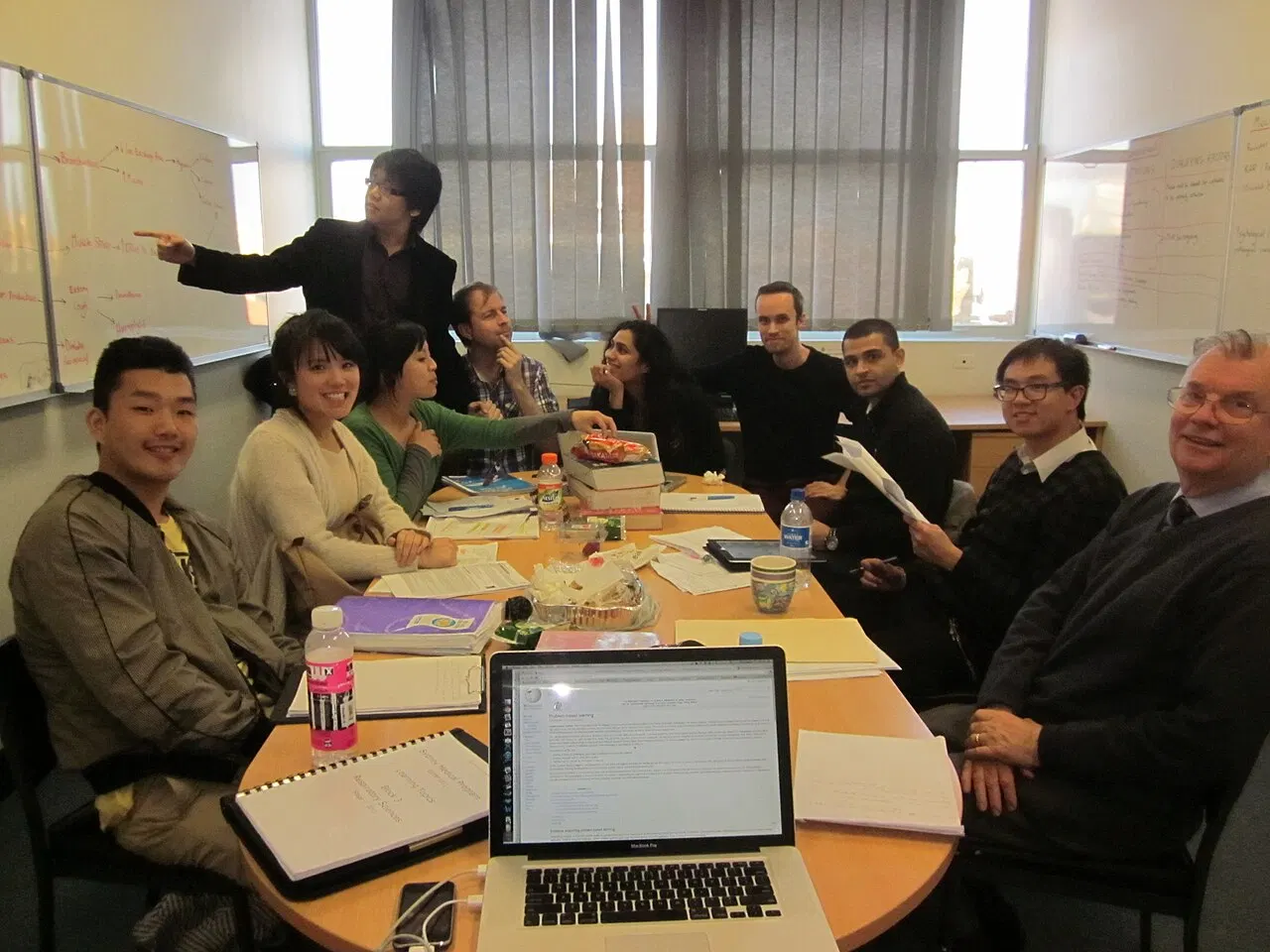
The stereotype of the solitary scientist or programmer working in isolation rarely reflects modern STEM careers. Collaboration and teamwork pervade professional STEM environments, making interpersonal skills essential for career success.
Working Effectively in Diverse Teams
STEM professionals regularly work with teammates from different specializations, backgrounds, and perspectives. Engineers collaborate with designers and manufacturers; researchers work in interdisciplinary teams; software developers coordinate with product managers. Successful team players respect different perspectives, communicate clearly about their contributions, coordinate to avoid conflicts, support teammates, and handle disagreements constructively. Students who have participated in group projects, research teams, or collaborative competitions develop these capabilities through practice.
Giving and Receiving Constructive Feedback
Professional development happens through feedback. Giving constructive feedback means offering specific, actionable suggestions rather than vague criticism, focusing on work products rather than personal characteristics. Receiving feedback well requires listening without becoming defensive, asking clarifying questions, implementing feedback, and expressing appreciation. Students who have worked with mentors or participated in peer review processes develop greater comfort with this essential professional practice.
Virtual and Remote Collaboration
Modern STEM work increasingly involves remote collaboration across distances and time zones. This requires clear written communication, proactive outreach, appropriate use of digital tools, self-management without direct supervision, and relationship-building without physical presence. Students who have successfully completed virtual group projects or worked with distributed teams develop capabilities that increasingly matter as flexible work arrangements become standard.
Adaptability and Continuous Learning
STEM fields evolve at breathtaking pace, with new technologies, methodologies, and knowledge constantly emerging. Adaptability and commitment to continuous learning distinguish graduates who remain valuable throughout long careers from those whose skills become obsolete.
Learning Agility and Self-Directed Learning
Employers need graduates who can learn independently rather than requiring formal instruction for every new skill. Learning agility involves identifying what you need to learn, finding high-quality resources, extracting key information efficiently, applying new knowledge through practice, and seeking help when stuck. Students who have pursued independent projects, learned tools outside coursework, or taken online courses develop this self-directed learning capability.
Comfort With Ambiguity and Change
STEM workplaces involve constant change and uncertainty: shifting priorities, evolving requirements, new technologies replacing established tools, organizational restructuring. Employers value graduates who adapt flexibly rather than becoming anxious or resistant when things change. Adaptable professionals remain productive despite uncertainty, adjust strategies when situations change, and maintain resilience during transitions.
Growth Mindset and Resilience
Underlying all adaptability is a growth mindset—the belief that abilities develop through effort rather than being fixed traits. Professionals with growth mindsets see challenges as opportunities to expand capabilities, persist through difficulty, embrace feedback as information for improvement, and view others' success as inspiration. Students who have overcome difficult challenges and developed new capabilities demonstrate these qualities.
Hands-On Experience: Proving Capabilities in Real Contexts
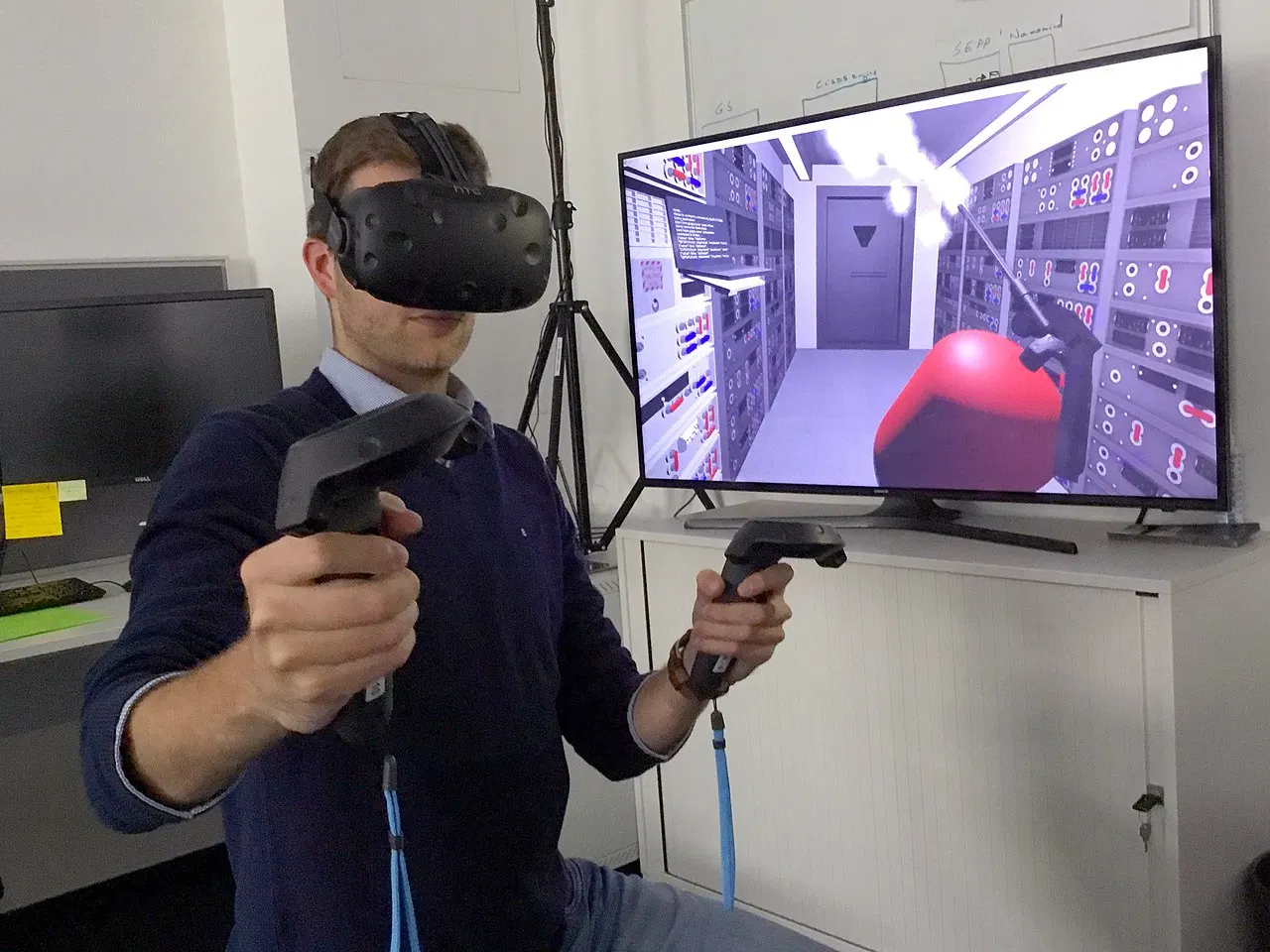
Academic credentials matter, but employers increasingly emphasize practical experience that demonstrates graduates can apply knowledge in authentic settings. Various forms of hands-on experience significantly enhance employability.
Internships and Cooperative Education
Internships and co-ops provide invaluable preparation for professional work. These experiences expose students to authentic workplace expectations and culture, develop skills difficult to teach in classrooms, build professional networks, provide concrete examples for resumes and interviews, and often result in full-time job offers. Employers view internship experience as strong evidence that graduates understand professional environments and can contribute productively. Students with relevant internship experience consistently have higher employment rates and starting salaries.
Research Experience and Publications
For students considering research careers or graduate school, research experience demonstrates essential capabilities: ability to work independently on extended projects, intellectual curiosity, tolerance for ambiguity, methodological rigor, and communication of findings. This experience can come through faculty mentorship, summer research programs, honors theses, or independent study. Publications, conference presentations, or research awards provide particularly strong evidence of research capability.
Personal Projects and Portfolio Development
Self-initiated projects demonstrate passion, initiative, and practical capabilities. These might include building applications, contributing to open-source software, conducting independent analyses, creating technical content, or developing solutions to problems that interest you. Personal projects show you engage with your field beyond required coursework and provide concrete examples of your capabilities. For fields like software development, data science, or design, portfolios showcasing project work become as important as formal credentials.
Professionalism and Workplace Readiness
Employers expect STEM graduates to demonstrate basic professional competencies that sometimes receive insufficient emphasis in academic settings. These qualities significantly influence hiring decisions and career progression.
Reliability and Accountability
Perhaps the most fundamental professional expectation involves being reliable: meeting deadlines consistently, following through on commitments, communicating proactively if problems arise, and taking responsibility for your work. Employers need team members they can trust to complete assigned work without constant supervision. Students who have managed projects with real deadlines or held part-time jobs with accountability develop these habits.
Time Management and Organization
Professional STEM work involves juggling multiple priorities: ongoing projects, urgent requests, meetings, documentation, and communication. Effective time management means prioritizing based on importance, allocating time realistically, using organizational systems consistently, and maintaining productivity. These skills develop through practice managing complex schedules; students who balance demanding coursework with research or extracurricular activities often develop stronger time management.
Initiative and Self-Direction
Employers value graduates who take initiative: identifying problems and proposing solutions, contributing ideas beyond immediate assignments, seeking additional responsibilities, and working independently without constant direction. Self-directed professionals require less supervision and drive progress. This initiative develops through experiences requiring independence, such as research projects, leadership roles, or entrepreneurial activities.
Emotional Intelligence and Interpersonal Skills
Increasingly, employers recognize that emotional intelligence matters enormously for professional success, particularly as routine technical tasks become automated and uniquely human capabilities become more valuable.
Self-Awareness and Empathy
Emotionally intelligent professionals understand their own emotions, strengths, and weaknesses, and they recognize their impact on others. This self-awareness enables continuous improvement and helps guide career decisions. Empathy—understanding and sharing others’ feelings—enables more effective collaboration and communication. Professionals who actively seek feedback, reflect on their experiences, and listen genuinely to others develop these capabilities.
Relationship Building and Networking
Professional success depends heavily on relationships: mentors who provide guidance, colleagues who support your work, networks that surface opportunities. Building genuine professional relationships during your education opens doors to opportunities you might never discover otherwise. Networking becomes easier with practice; starting early in your academic career builds valuable connections before you urgently need them for job searches.
Cultural Intelligence and Inclusion
Modern STEM workplaces increasingly value cultural intelligence—the ability to work effectively across differences in culture, background, perspective, and identity. This means recognizing your own cultural assumptions, learning about different cultural norms, adapting communication appropriately, and contributing to inclusive environments. Students who engage with diverse perspectives through travel, diverse teams, or multicultural experiences develop greater cultural intelligence.
Conclusion: Becoming the STEM Graduate Employers Seek
The most employable STEM graduates combine technical excellence with strong professional skills: communication, teamwork, problem-solving, adaptability, emotional intelligence, and demonstrated ability to apply knowledge in real contexts. While technical foundations remain essential, they’re insufficient alone in competitive job markets.
Students who understand what employers truly value can intentionally develop these capabilities throughout their education. This means pursuing diverse experiences beyond coursework, actively developing soft skills, building professional networks, seeking mentorship and feedback, and continuously reflecting on growth. The gap between what STEM programs teach and what employers need is primarily about broader capabilities that enable professionals to contribute effectively in workplace contexts.
The effort invested in comprehensive career preparation pays enormous dividends. Graduates who have thoughtfully developed both technical and professional capabilities secure better initial positions, advance more rapidly, navigate career transitions more successfully, and find greater satisfaction in their work. Your STEM education provides the foundation, but intentional development beyond the classroom makes you the professional employers want to hire.
For further guidance, explore resources such as the National Association of Colleges and Employers (NACE) for insights on what employers seek, and the CompTIA for technology-specific career information. Professional associations in your field also offer invaluable networking and development opportunities.